Children's University and Science Events in Starnberg
Children's University & Science Events in Starnberg (Preview of Upcoming Dates)
What formats around nature, technology, media, and research families in Starnberg can expect in the future – and how to reliably find suitable dates for children and teenagers.
What counts as “Children's University & Science Events” in Starnberg?
When talking about Children's University or Science Events in Starnberg, it usually refers in practice to recurring, upcoming formats that introduce children and teenagers to research and critical thinking – sometimes as a short hands-on activity, sometimes as a series of courses. Typical examples that can also be expected in upcoming program rounds include:
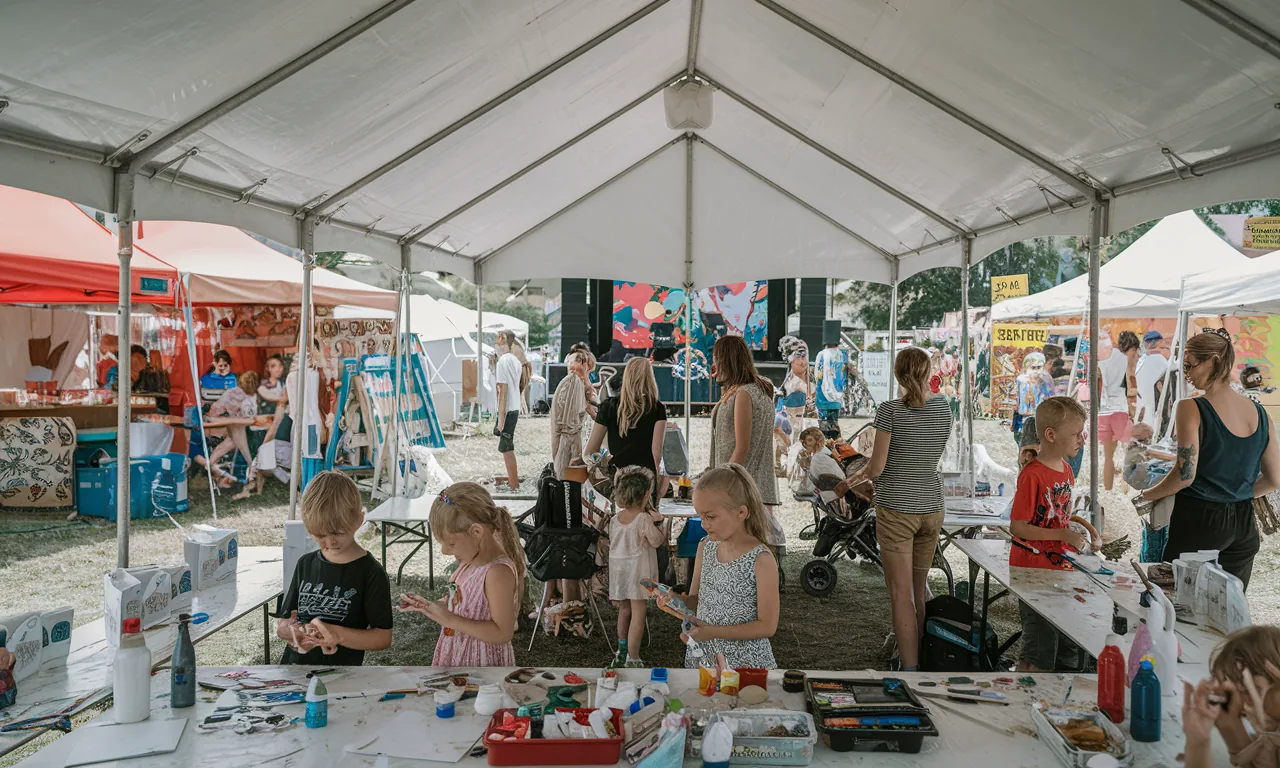
- Hands-on courses (experimenting, experiencing nature, building technology) at local educational institutions,
- Children's University lectures in a university context (sometimes with accessible offerings),
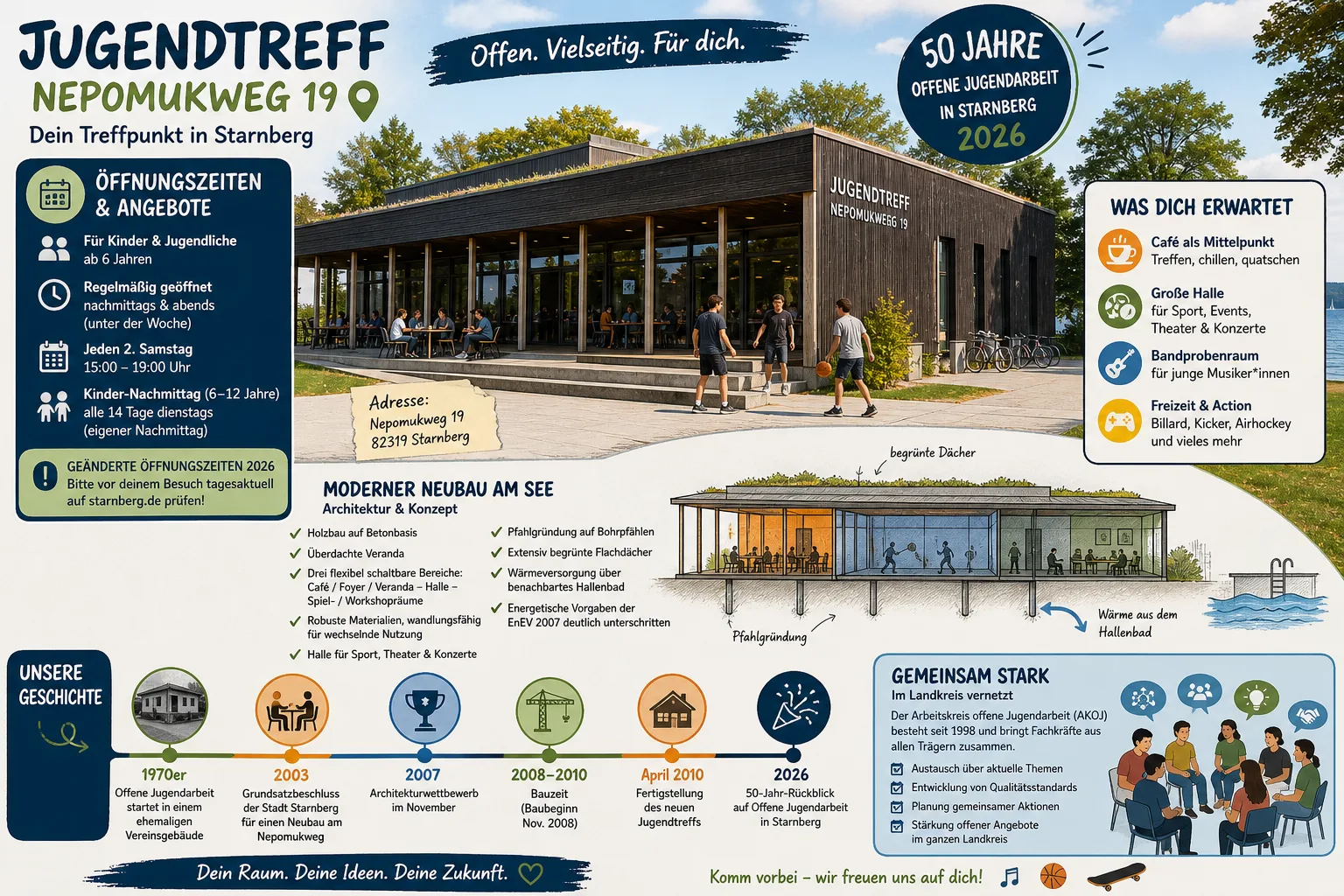
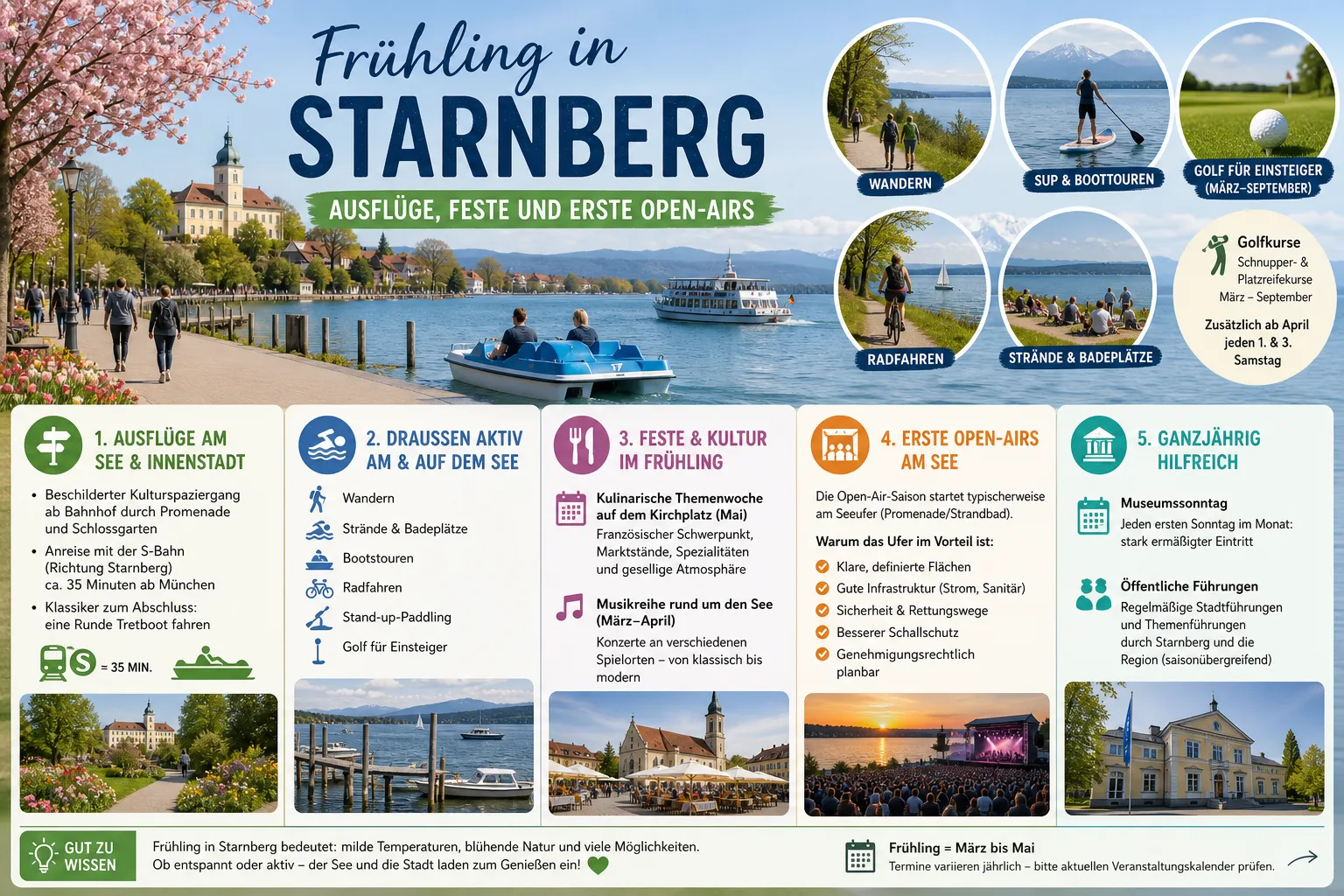
- Holiday programs with a focus on nature and the environment,
- Museum education workshops by the lake (guided tour plus practical part),
- Media and film workshops for teenagers (filming, editing, animation, storytelling).
Important for planning: Specific dates, age groups, fees, and registration deadlines are often updated in the region per season (school semester, holiday block, special program). If you are focusing on upcoming events, you should always check the current programs of the providers.
Children's University: Lecture, hands-on course, or online – what suits which age?
Under the term “Children's University,” various formats are offered in the region, differing in effort, depth, and learning style. For upcoming program rounds, this classification is helpful:
1) Hands-on Children's University Courses (regional)
Many families start with hands-on courses through local educational providers: children experiment, observe, document, and form their own hypotheses. Such formats are especially suitable if your child prefers trying things out over listening – or if you are looking for a first, playful approach to science.
2) University-based Children's University Lectures (Munich as an addition)
For children who enjoy bigger contexts, Children's University lectures in a university setting are a good addition. There, children experience how scientists explain topics in an understandable way – often with vivid examples from everyday life, nature, and society. For families from Starnberg, this can be an attractive option for individual dates if travel and times fit.
3) Digital formats (when flexibility is needed)
Online offerings can be particularly useful in the future if families have less time for travel or if a child prefers to learn in a quiet environment. Depending on the provider, there are live dates, supervised tasks, or interactive modules. When registering, pay attention to information about required materials, time commitment, and supervision.
Holiday programs with a science focus: How families can plan for the next holidays
In the upcoming holiday blocks (summer, autumn, winter, carnival, and Easter holidays), programs that combine leisure and learning are again to be expected in Starnberg and the district – such as nature days, environmental activities, creative technology offerings, or thematic workshops. For families, this is particularly convenient because the offerings often:
- can be booked as single dates (one morning/afternoon) or multi-day workshops,
- are clearly divided by age groups,
- can be booked online and have transparent registration deadlines.
If you are specifically looking for science-related activities for the next holidays, filter the programs by keywords such as nature, environment, experiment, technology, media, laboratory, research, or workshop. This way, you will find suitable dates more quickly without having to scroll through pure sports or excursion offers.
Planning tip: Popular spots can be booked up quickly. If you have several options (two to three alternative dates), you increase the chances that a suitable workshop will end up in your calendar.
Museum as a learning lab: Guided tours & workshops expected again in 2026/2027
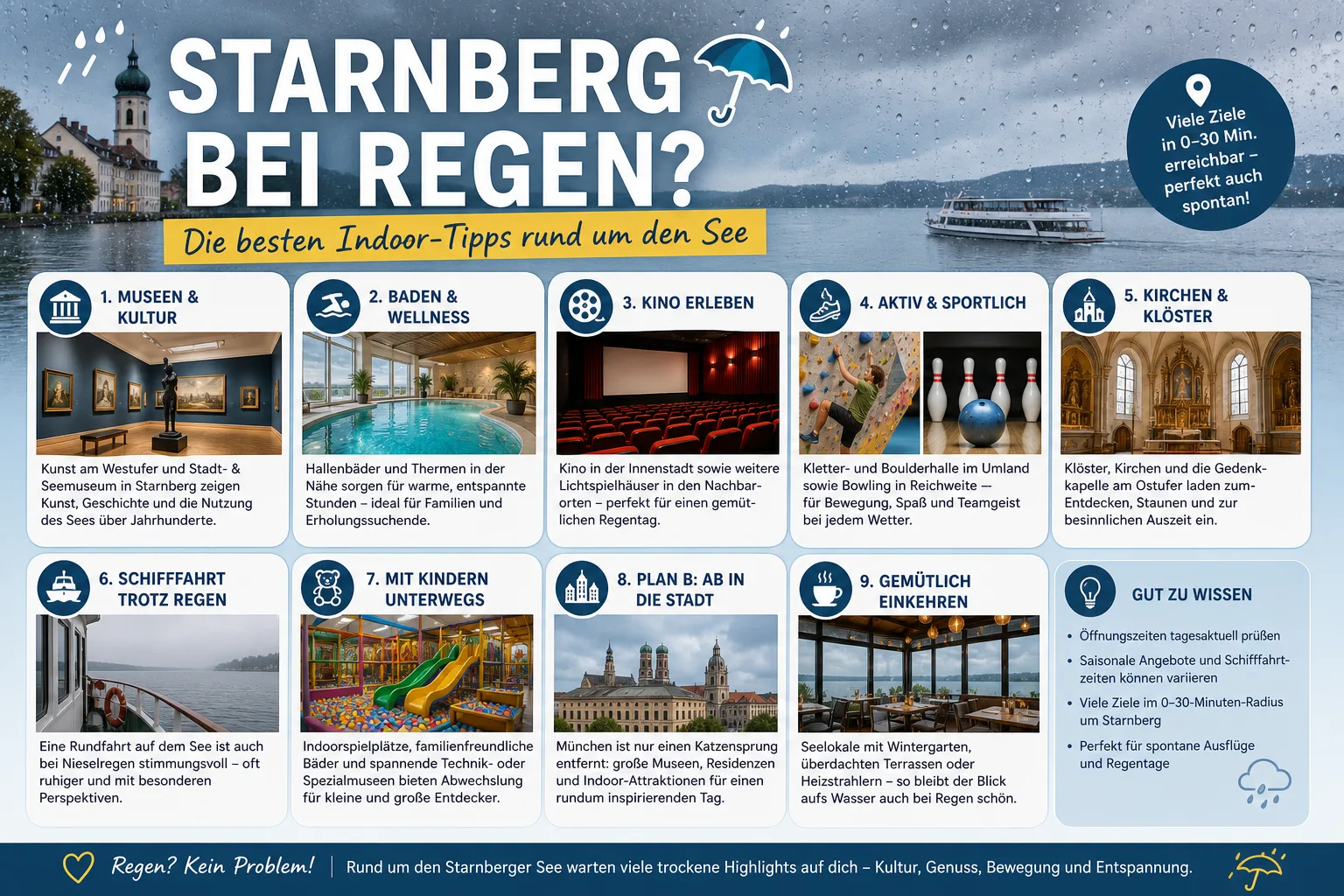
In the coming months and program seasons, museum education offerings at Lake Starnberg will continue to be a particularly vivid form of science and culture education: children learn through objects, stories, and regional connections – and then put what they have seen into practice.
Typical for such workshops is the combination of:
- age-appropriate guided tour (observing, asking questions, discovering connections) and
- practical part (designing, modeling, rebuilding, storytelling, documenting).
For parents and educators, it is worth looking at information on duration, group size, accompanying persons, and learning objectives for future dates. This makes it easier to assess whether an offer is intended more for curious preschoolers, elementary school children, or teenagers.
Film, Media & Technology: Practical workshops for teenagers in the district
For teenagers who prefer practical work, media offerings are often interesting during upcoming holiday or project phases: film and video projects, animation, editing, sound, or storytelling. The added value lies not only in technical knowledge but also in skills that are important at school and in everyday life:
- Planning & project work (from idea to implementation),
- Teamwork (assigning roles, giving feedback, taking responsibility),
- Media criticism (classifying images, checking sources, understanding impact).
If you are interested in upcoming dates, pay attention to information about the maximum number of participants, required prior knowledge (often none), and whether your own devices are required or provided.
How to reliably find upcoming dates (without outdated information)
To make sure you only find future events, this approach works most reliably in practice:
- Check official program lists (city, district, adult education center, museum, universities) and use the filters “date” and “target group/age.”
- Pay attention to up-to-date features: publication date of the program round, registration window, specific times, contact point.
- Double-check details before booking: location, meeting point, duration, materials, accessibility, cancellation rules.
- Use notifications if providers offer newsletters, RSS, or “watch list” functions.
If a text or social media post does not mention clear date information, it is useful as inspiration – but too unreliable as a basis for booking. For reliable planning, you should always switch to the official event page of the organizer.
Practical tips: Registration, preparation, inclusion & costs
Registration & waiting lists
For many formats, the number of participants is limited. If there is a waiting list, it is worth signing up: if there are last-minute cancellations, children often move up. Also, have alternatives ready (similar topic, different date) so that disappointment is minimized if courses are fully booked.
Take age information seriously
Age limits are less “bureaucratic” than didactic: they control pace, language, and safety requirements. For a good experience, it is usually advisable to stick to the recommended age.
Inclusion & accessibility
If your child has special needs (e.g., hearing/visual impairment, neurodivergence, need for assistance), contact the provider in advance. Many organizers can explain the conditions or give suitable recommendations if they know early on.
Assess costs realistically
Fees vary depending on the provider, duration, and materials. Check in the announcement whether material costs, tickets, or catering are included. This way, you avoid surprises on the day of the event.
Child-friendly “scientific”: How parents can support without pressure
The strongest parent tool is curiosity instead of performance: let your child tell you after the workshop what surprised them, and ask about the “why.” This creates a conversation at eye level – without it feeling like school.
Reminder for the next dates: Good science offerings for children can be recognized by the fact that they allow questions, treat mistakes as a learning step, and make results understandable.
Sources & further contact points
- City of Starnberg — official information & city offers (accessed 2026-05-06)
- VHS StarnbergAmmersee e. V. — program areas for children/teenagers (accessed 2026-05-06)
- Ludwig Maximilian University of Munich (LMU) – Children's University — information on Children's University formats (accessed 2026-05-06)
- District of Starnberg — information on youth and holiday offers in the district (accessed 2026-05-06)
- Museum Starnberger See — exhibitions & museum education offers (accessed 2026-05-06)